
Best Time Whale Watching Alaska: Months, Ports, and the Right Trip Shape
Trying to time whale watching Alaska without wasting a big trip? This guide shows the best months, the right departure regions, and which kind of traveler each port suits.


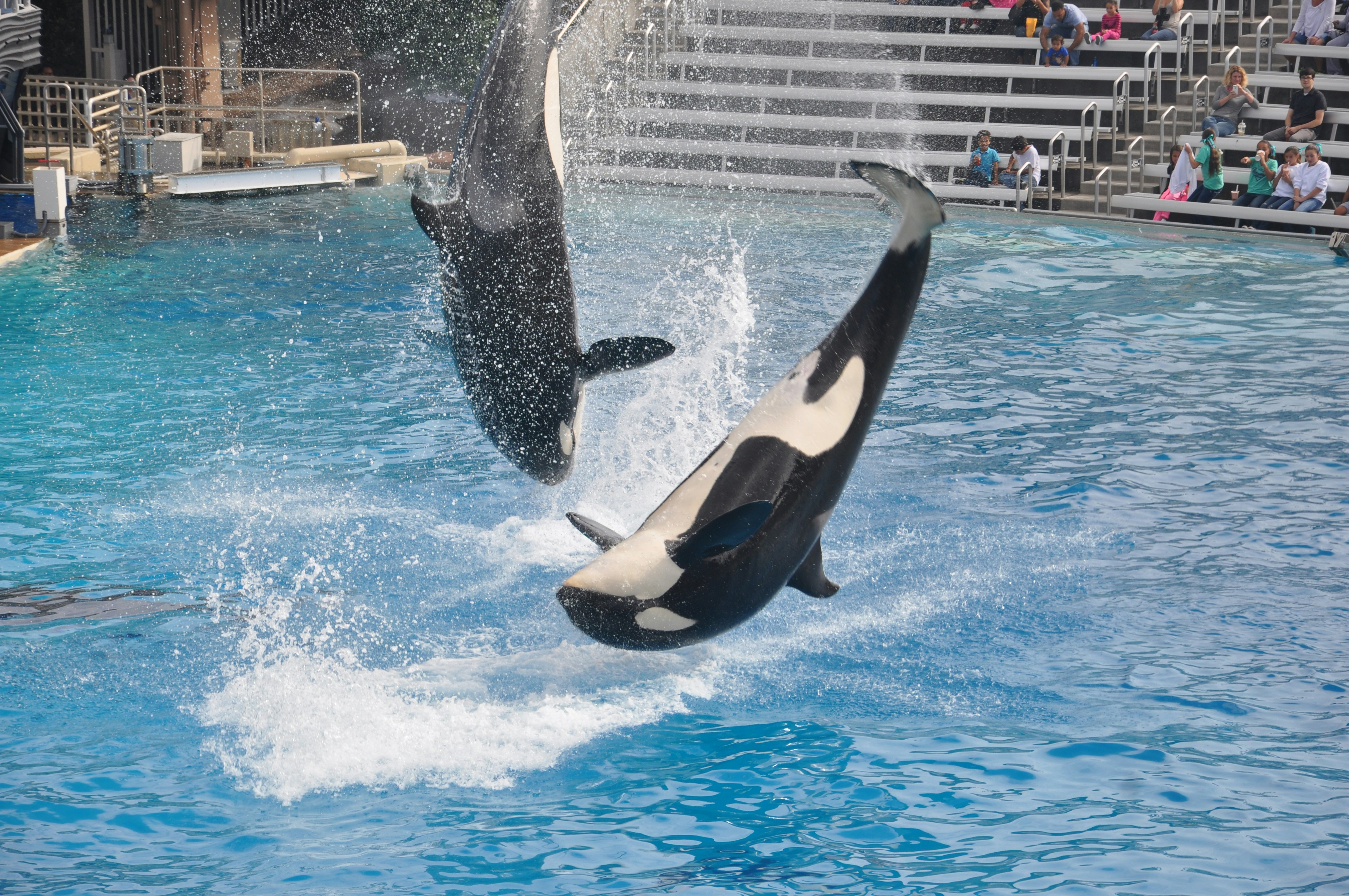
Alaska whale watching gets sold like a single decision, but it is really three: which month, which region, and what kind of day you want on the water. Plenty of people ask for the best time for whale watching in Alaska when what they really mean is, “How do I avoid spending a lot of money on the wrong port and the wrong week?” That is the better question.
My direct recommendation is this: if whale watching is the main goal, target late June through August. If you want the easiest reliable humpback trip, Juneau is the strongest all-around answer. If you want a more dramatic full-day marine day with glaciers and you are happy to work harder for it, Seward and Kenai Fjords are compelling. If you want a calmer-feeling, smaller-scale wildlife day, Icy Strait is often the smarter play than people realize.
The short answer
| Traveler type | Best move | Why |
|---|---|---|
| First-time whale watcher who wants the safest bet | Go in July from Juneau | Summer has strong feeding activity and Juneau is one of the easiest reliable ports |
| Traveler who wants a bigger marine landscape day | Choose Seward in summer | Kenai Fjords adds glaciers and wider scenery, not just whales |
| Traveler who wants a smaller-group, lower-fuss wildlife outing | Look hard at Icy Strait | It can deliver serious whale value without the same sense of crowd pressure |
The best time whale watching Alaska is not one month, but one window
Late June through August is the strongest answer
This is the cleanest planning window because feeding activity is strong, weather is more workable, and you are most likely to get the kind of Alaska whale day people imagine when they book the trip. If your whole goal is reducing regret, start there.
July is usually the easiest all-around recommendation because it hits the sweet spot between strong wildlife presence and simpler trip conditions. August is still excellent, especially if you care more about active feeding than perfect weather.
May and September can work, but they are not the safest answer
Shoulder season can be smart for travelers who already understand the tradeoffs. You may get fewer crowds and still see whales, but if this is a once-in-a-long-time trip and whale watching is the emotional center of it, do not get too clever. Summer is the clearer answer for most people.
Which Alaska port should you choose?
Juneau is the best default answer
Juneau is where I would send most first-time planners. The trip shape is cleaner, whale watching is deeply established, and you are not asking a casual traveler to decode too many moving parts. If you want the highest-confidence version of Alaska whale watching without overcomplicating the holiday, start here.
That does not mean Juneau is the only good answer. It means it is the one least likely to disappoint someone who needs the trip to feel worth the airfare and the planning effort.
Seward is better if you want a bigger day
Seward makes sense when you want the outing to feel broader than “boat ride plus whales.” Kenai Fjords adds glaciers, seabirds, and a bigger marine-drama feel. The tradeoff is that it can be a longer, fuller, more exposed day depending on the trip shape you choose.
If you are energized by the idea of a long wildlife day, that is a feature. If you just want the easiest likely humpback success, Juneau is simpler.
Icy Strait is excellent for the right traveler
Icy Strait deserves more attention from serious planners. If you want abundant wildlife credibility without a big-city port feel, it can be a very smart match. This is especially true for travelers who prefer smaller-feeling experiences and care more about the quality of the outing than about checking the most famous name on the itinerary.
Plan your whale-watching trip with a better shot at a real sighting
SearchSpot compares destinations, seasons, and trip logistics so you can choose a whale-watching plan that actually makes sense.
Plan your whale-watching trip on SearchSpot
What you can realistically see by season
Humpbacks are the anchor species for most Alaska travelers, and that is enough reason to take the trip seriously. Depending on region and timing, you may also hear about orcas, gray whales, or other species, but the planning mistake is treating Alaska like a guaranteed species checklist. It is better to book for a strong humpback-feeding window and let the rest be upsideide.
The right expectation is simple: build around the strongest seasonal behavior you can reasonably target, then let the rarer sightings be a bonus.
Sea conditions and motion-sickness reality
Not every Alaska whale trip feels the same. Protected Inside Passage style waters and more sheltered channels can feel very different from longer open-water days. That is why the port matters. It is also why boat size matters more than people think.
If motion sickness is a real concern, ask about vessel stability, indoor seating, and route style. Do not assume that because Alaska is cold it will somehow feel calmer. The wrong boat can make a beautiful day feel punishing fast.
My bias for most travelers is simple:
- Choose the more stable boat unless you already know you prefer smaller wildlife craft.
- Treat an onboard naturalist and heated cabin as quality signals, not luxuries.
- If you have one shot, pick the outing most likely to feel comfortable enough that weather does not ruin your mood.
One outing or multiple days?
If you are in a strong port in peak season, one outing can be enough. But if you are building a full Alaska wildlife trip rather than adding one excursion to a cruise, multiple chances on the water improve the whole equation. They lower the pressure on a single departure, give you more room for weather, and make it easier to enjoy the trip instead of scoring it in real time.
That does not mean everyone needs two whale tours. It means Alaska rewards travelers who leave a little room for the wildlife instead of treating it like a timed attraction.
How to spot a better operator
The better Alaska operators usually make education visible. They talk about naturalists, route realism, comfort, and what the day actually looks like. That is a better sign than pure hype. I would favor crews that explain boat size, viewing style, and weather expectations clearly.
If the sales page makes the day sound effortless and guaranteed without explaining anything about the actual experience, that is not confidence. That is marketing.
My direct recommendation
If you are asking about the best time whale watching Alaska, the clean answer is summer, with July as the safest headline pick. Choose Juneau if you want the strongest all-around reliability, choose Seward if you want the broader marine-drama version of Alaska, and choose Icy Strait if you want a smaller-feeling wildlife day with serious credibility.
The wrong move is trying to optimize for some mythical perfect port without first deciding what kind of day you want, how much boat time you actually enjoy, and whether the trip needs to feel easy or epic.
Choose the right Alaska port before you lock the wrong cruise stop
SearchSpot helps you compare months, ports, and trip shapes so your Alaska whale plan fits your real tolerance for weather, transit, and time on the water.
Compare Alaska whale-watching plans on SearchSpot
Source check
This guide was built from current Alaska whale-watching research, current tourism and operator-level guidance for Juneau, Seward, Icy Strait, and Kenai Fjords, and current seasonality reporting on summer feeding windows and route tradeoffs.
Turn this research into a real trip plan
SearchSpot helps you compare stays, routes, neighborhoods, and decision tradeoffs in one planning flow so you can move from reading to booking with more confidence.