
Best Time to Visit Douro Valley for a Wine Trip: Harvest or Shoulder Season?
Douro Valley can feel magical or awkward depending on when you go and where you sleep. Here is the harvest logic, route strategy, and pacing that actually works.

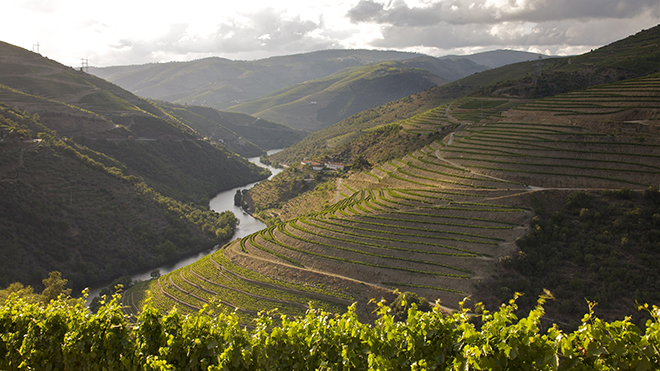
Douro Valley is one of those wine trips people imagine before they understand the mechanics. Terraced vineyards above the river, long lunches, old quintas, maybe a boat, maybe a train, maybe a car, maybe harvest. It sounds simple until you realize the valley is not a tidy tasting-room cluster. It is a geography problem first, then a wine trip. The season you choose changes that problem completely.
If you want the valley at its most alive, late September into early October is the answer. That is when the harvest atmosphere feels real, not theoretical, and when the vineyards look like the trip people think they are booking. But if you want calmer roads, easier lodging, and less pressure on every reservation, spring and early summer are often the smarter play. In Douro, the best time to visit depends on whether your priority is harvest immersion or an easier-moving trip.
Best time to visit Douro Valley: the short answer
Choose late September or early October if you want vindima energy and are willing to plan around it. Choose May, June, or early July if you want the most balanced mix of scenery, weather, and logistics. Avoid assuming summer is automatically best just because it is sunny. High heat and long exposed drives are not always what a wine-first traveler actually wants.
| Season | What it does well | What makes it harder | Who it fits |
|---|---|---|---|
| Spring | Mild weather, greener terraces, lighter crowds, easier movement | Not harvest, some experiences feel less charged | First-timers who want route clarity and lower stress |
| Summer | Reliable sunshine, long days, good for scenic boat and pool time | Strong heat, drier look, less forgiving long tasting days | Travelers mixing wine with a resort-style river stay |
| Harvest and early fall | Most atmospheric, active quintas, dramatic vineyard color | Heavier demand, tighter availability, more complex routing | Travelers who care deeply about harvest energy |
| Late autumn and winter | Quiet, reflective, lower-key tasting pace | Shorter days, less visual drama, weather risk | Repeat visitors and travelers chasing calm over spectacle |
When harvest is worth it in Douro
Douro is one of the places where harvest can genuinely transform the trip. The valley already feels cinematic, but during vindima the wine part of the journey becomes visible. Some properties offer harvest-linked experiences, traditional lagares become part of the story again, and the sense of place becomes much more than just a view from a terrace.
If that working-winery atmosphere matters to you, this is the season to prioritize. It is also the season where the valley asks for more respect. Good quinta stays can disappear, roads take more concentration, and the trip works far better when you reduce your daily ambition. One estate visit, one long lunch, one scenic movement piece, perhaps a train segment or river cruise, is usually enough. Douro is a place where scenery can trick you into overplanning because everything looks close. It is not close in the way your energy feels it.
Harvest therefore suits travelers who are happy to lock in the trip early and who understand that the point is depth, not volume. If you are trying to do multiple quintas a day plus viewpoint stops plus a long transfer, harvest will expose that mistake quickly.
Why shoulder season often makes the better first trip
For many travelers, especially those visiting the Douro for the first time, late spring and early summer are simply easier. The valley is vivid, the weather is friendlier for outdoor lunches and viewpoints, and the whole trip can breathe. You still get river scenery and vineyard context, but you are not stepping into the most compressed version of the calendar.
This is the timing I would pick for people who care about the trip shape as much as the wine itself. Trains feel more relaxing, lunch feels less rushed, and you are more likely to enjoy a terrace tasting without the day becoming a logistics exercise. Shoulder season also works better if you want to pair Porto with the valley, because the transition between city time and wine-country time feels smoother.
The tradeoff is obvious: you do not get harvest electricity. But unless harvest is the point, not just a bonus, the easier movement can easily outweigh the loss of drama.
Pinhão, Régua, or Porto: where should you actually sleep?
Pinhão is the strongest base if the trip is fully Douro-first. It keeps you close to iconic views, respected quintas, and the part of the valley most people came to see. It is the right choice when the goal is to wake up inside the landscape, not commute into it.
Peso da Régua is more practical. It is useful if you want easier arrivals, more functional hotel choice, and a base that works well for train access and shorter day trips. It may not feel as romantic as Pinhão, but it can make a first trip easier to manage.
Porto only works as the main base if you are doing the Douro as a day trip or one-night extension. If the wine region is the point, staying in Porto the whole time adds a layer of friction you will feel. The most common planning mistake is treating the valley as if it is close enough to absorb casually day after day. It is not.
Plan your Douro Valley trip with smarter timing and bases
SearchSpot compares harvest timing, train versus car logistics, and stay strategy so your Douro wine trip feels calm instead of improvised.
Plan your Douro Valley trip on SearchSpot
Train, boat, or car: the smartest way to move through Douro
The train is the romantic answer for good reason. The route from Porto into the valley delivers scenery without asking anyone to white-knuckle winding roads after tasting. It is especially strong for travelers who want one clean transfer into a base like Régua or Pinhão and then only a limited amount of local movement.
The car is the flexibility answer. It gives you freedom to reach more remote quintas and rural stays, but that freedom comes with narrower roads, constant curves, and more mental load than people expect. If you are the kind of traveler who enjoys driving for its own sake, fine. If you just want to get around easily after lunch and wine, the train plus arranged transfers is often the more elegant solution.
The river sits between those two. A cruise or scenic boat leg is rarely the most efficient way to move, but it can be the best way to make the trip feel like Douro. Think of the boat as a texture choice, not a transport backbone.
How many winery experiences should you plan per day?
Usually one major visit and perhaps one lighter add-on. Douro rewards pauses. Long lunches matter. Viewpoints matter. Simply arriving at a quinta with enough time to look around matters. The valley is not a barcode of tasting slots. It is a place where the route itself is one of the experiences you are paying for.
If you keep that in mind, the trip becomes much better. Stay two or three nights minimum, give one day to the landscape and one day to a more structured tasting program, and stop treating every winery on the map as equally visit-worthy. In Douro, overpacking the day is the fastest way to flatten the magic.
What I checked before making this call
This recommendation leans on current regional tourism sources, booking guidance, and transport information, not just generic wine-trip listicles.
- Visit Portugal on vindima experiences
- CP rail scenic circuit information
- Visit Portugal Douro imagery and regional inspiration
The call
If harvest atmosphere is your priority, go in late September or early October and build the trip around fewer, stronger experiences. If you want the Douro to feel more graceful, easier, and less compressed, book spring or early summer. For most first-time wine travelers, that shoulder-season option is the higher-probability win.
Douro is at its best when the valley still has room to surprise you. Leave space in the plan, choose your base with intent, and the region will feel richer than any checklist version ever does.
Plan your Douro Valley trip with smarter timing and bases
SearchSpot compares harvest timing, train versus car logistics, and stay strategy so your Douro wine trip feels calm instead of improvised.
Plan your Douro Valley trip on SearchSpot
One more practical rule before you book Douro
If the trip matters mainly because of the wine, do not let every day start in Porto. Sleep in the valley. That one decision changes the whole experience. Morning light on the terraces, a slower breakfast at a quinta, and the ability to do just one beautifully timed visit before lunch is what makes Douro feel world-class instead of merely scenic.
The second rule is even simpler: treat transfer time as part of the trip, not dead space. Whether you choose train, boat, or car, Douro pays you back when you stop rushing through the landscape that made the wine possible in the first place.
Plan with SearchSpot
Turn this research into a real trip plan
SearchSpot helps you compare stays, routes, neighborhoods, and decision tradeoffs in one planning flow so you can move from reading to booking with more confidence.