
Best Time to Visit Champagne France for a Wine Trip
Champagne is better when you plan around base strategy and booking windows, not only around famous houses. Here is the season logic that actually works.

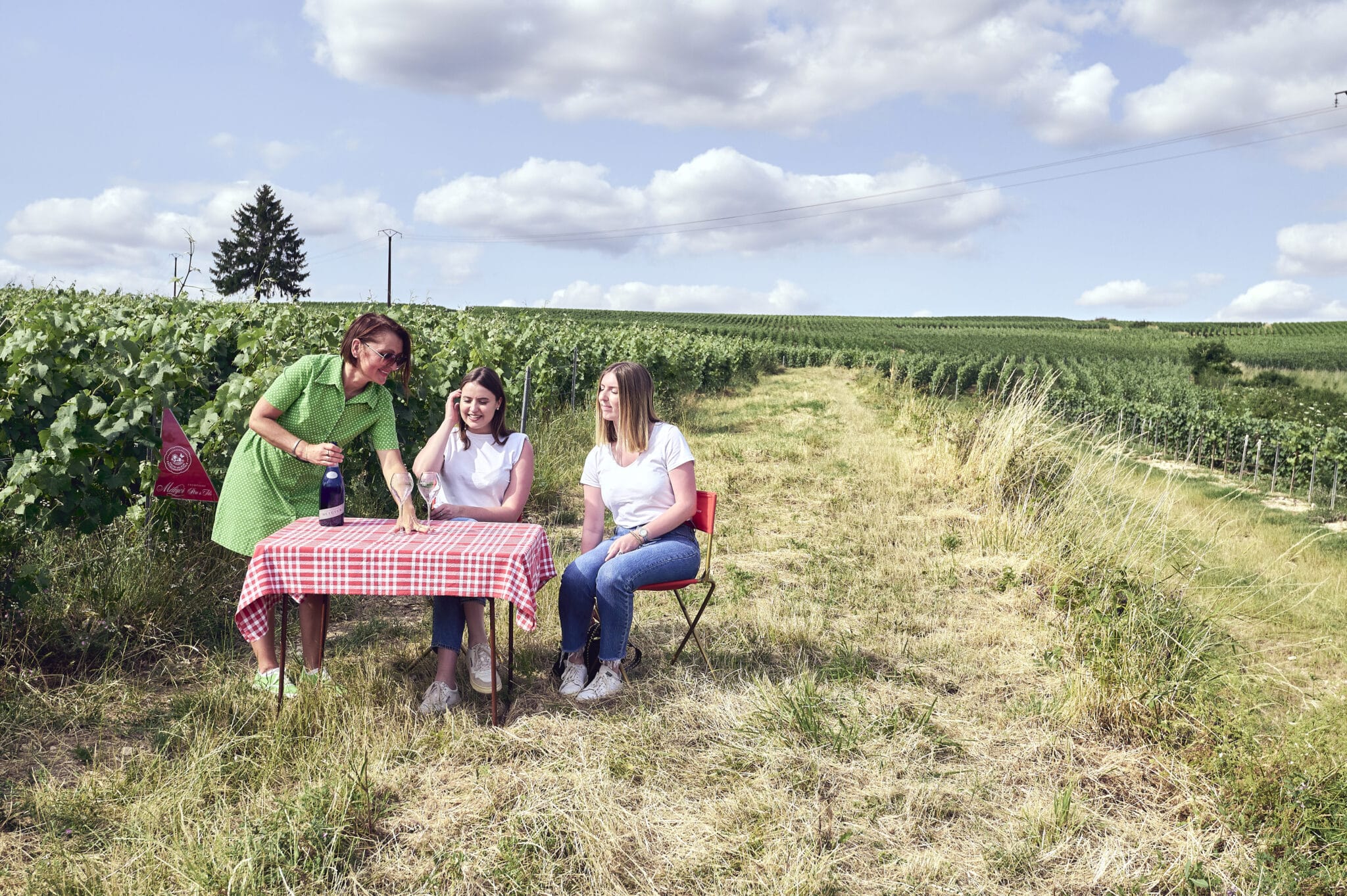
Champagne looks easy from Paris. Fast train, famous houses, pretty villages, done. Then you start booking and realize the region runs on a more delicate equation: house visits vs grower visits, Reims vs Epernay, harvest buzz vs actual access, and how much cellar time you can realistically enjoy before the day starts tasting repetitive. This is not a region where the best timing is simply "summer because France."
For a wine-first trip, the best time to visit Champagne France is usually late spring or early fall, specifically May, June, and the weeks just before or after peak harvest pressure. Those windows give you the strongest balance of vineyard beauty, manageable reservations, and comfortable movement between cellars and villages. Harvest season can be exciting, but it is not automatically the best booking if the main goal is to visit and taste widely.
Best time to visit Champagne France: the short answer
Book May, June, or early October if you want the best combination of vineyard atmosphere and trip flexibility. Book harvest only if you specifically want to see the region in production mode and are willing to accept that some visits become harder precisely when the region is busiest. Winter is quieter and more intimate, but less visually compelling for a first trip.
| Season | What it does well | What makes it harder | Who it fits |
|---|---|---|---|
| Spring | Mild weather, easier pacing, greener vineyard walks, lower friction | Less harvest energy, variable early weather | First-timers and travelers mixing houses with villages |
| Summer | Long evenings, outdoor vineyard time, lively regional calendar | More visitors and a slightly busier feel | Travelers pairing Champagne with a broader France trip |
| Harvest and early fall | Working-wine-region atmosphere, vineyard color, real urgency | Tighter availability, more production focus, trickier booking | Wine obsessives and repeat visitors |
| Winter | Quiet cellars and calmer town rhythm | Less outdoor appeal, shorter days | Travelers who care more about tasting than scenery |
Why late spring and early fall are the sweet spots
Champagne is a region of contrasts. You can do major houses, tiny growers, cathedral city time, vineyard villages, chalk cellars, and long lunches, all in a very compact area. That is exactly why shoulder periods work so well. The trip feels full without feeling crowded. You can move between Reims and Epernay easily, you still get the vineyards in a good mood, and the region has not yet turned into its most compressed version of itself.
Late spring is particularly strong for first-timers because it gives you the cleanest access to the things people usually want on a first Champagne trip: one or two benchmark house tours, one or two grower experiences, a lunch in the vineyards, and enough time to walk your base town without feeling as if the schedule owns you. Early October can feel equally rewarding if you want more autumnal atmosphere without pushing too deep into peak harvest disruption.
This is the timing I would choose for anyone who wants both famous and lesser-known Champagne without constantly negotiating availability.
Is harvest actually the best time to go?
Only sometimes. Harvest in Champagne is real, visible, and exciting. If you are fascinated by production and you want to feel the region in working mode, it can be memorable. But travelers often confuse that with being the best season for visits. Those are not the same thing. During harvest, houses and growers are focused on the thing that makes the region famous, which means visitor access can feel more constrained at exactly the moment demand and curiosity spike.
So the smart question is this: do you want to see Champagne harvesting, or do you want to taste Champagne in the most relaxed and varied way possible? If it is the second question, shoulder season usually wins.
Reims or Epernay: where should you base yourself?
Reims is the right base if you want a fuller city break wrapped around Champagne. You get the cathedral, more urban energy, major-house access, and a stronger city feel at night. It works especially well if your group wants more than wine every hour of the day.
Epernay is the right base if the trip is unapologetically about Champagne. It keeps you closer to the vineyard core, Avenue de Champagne, and an easier launch point for grower visits and village loops. For most wine-first travelers, Epernay is the sharper base. Reims is the broader base.
The easiest compromise is simple: stay in one and day-trip to the other. What you should not do is bounce hotels unless the trip is long enough to justify the disruption.
Plan your Champagne trip with smarter cellar-day pacing
SearchSpot compares bases, tasting logistics, and timing so your Champagne trip feels deliberate, not like a scramble between houses.
Plan your Champagne trip on SearchSpot
Train or car, and how to pace the days
Champagne is one of the easier wine regions in Europe to do without a car, especially if the trip focuses on Reims, Epernay, and one or two nearby villages. That is a real advantage. Train in from Paris, walk a lot of the core town experiences, and use taxis or short transfers when needed. The moment you start pushing farther into smaller vineyard zones, a car or hired driver becomes more useful.
The bigger point is pacing. Champagne has a very specific fatigue curve. The first cellar is thrilling. The fourth cellar in one day can feel like homework, especially if every visit leans historical and underground. For most travelers, two meaningful visits plus one strong meal is the sweet spot. Add a village walk, a viewpoint, or a bar that pours by the glass instead of another full formal tour.
That pacing also helps your budget. Champagne can become expensive faster than the itinerary looks on paper. A slightly shorter, more focused day is often the move that keeps the whole trip feeling premium instead of overpriced.
A first-trip shape that usually works better than the big-house sprint
Day 1: Arrive and settle into Reims or Epernay. Do one flagship house or one excellent grower visit, then dinner in town.
Day 2: Pair one larger visit with one village or grower experience. Leave room for a long lunch and slow movement rather than stacking cellars back to back.
Day 3: Use the final day for whatever the trip has not yet delivered: another house, a vineyard route, or a lower-key tasting bar where you can compare styles without another formal tour.
This three-day structure is why shoulder season works so well. The region gives you enough access to build contrast into the trip, and that contrast is what makes Champagne memorable.
What I checked before making this call
This recommendation leans on current regional tourism sources, booking guidance, and transport information, not just generic wine-trip listicles.
- Champagne and its seasons
- Start date for harvesting in Champagne
- Epernay tasting tips
- Top wine tourism experiences in Champagne
The call
For most readers, the best time to visit Champagne France for a wine trip is late spring or early fall, not peak harvest. You get the right mix of vineyard mood, visit access, and trip flexibility. Harvest is still worth it when you are chasing atmosphere first and access second.
Base in Epernay if the trip is deeply wine-focused, base in Reims if you want a broader city-and-wine weekend, and keep the tasting schedule lighter than your enthusiasm first suggests. Champagne gets better when you leave room for comparison, not just consumption.
Plan your Champagne trip with smarter cellar-day pacing
SearchSpot compares bases, tasting logistics, and timing so your Champagne trip feels deliberate, not like a scramble between houses.
Plan your Champagne trip on SearchSpot
The pacing rule that saves a Champagne trip
Do not schedule every tasting as if Champagne is only about cellar tours. Leave one slot open for a good wine bar, a long lunch, or a village stop where the bottles are poured rather than explained from the beginning again. That contrast is what keeps the region feeling alive over multiple days.
It also helps you taste better. Champagne can become surprisingly fatiguing when every visit is a formal underground tour followed by a fixed flight. A looser final stop often teaches you more because your palate can compare styles without another layer of ceremony. That is why the best timing choice is the one that gives you access and breathing room at the same time.
Plan with SearchSpot
Plan your Champagne trip on SearchSpot
Champagne is more persuasive when the trip has contrast. One cathedral city morning, one village afternoon, one cellar, one bar, one long lunch. The calendar matters because it either makes that contrast easy or turns it into scheduling friction.
When you plan that way, Champagne stops feeling like a museum route and starts feeling like a living wine region. That is the difference a good season and a better pace make.
That is exactly what a good Champagne trip should feel like, alive, specific, and never over-programmed.
If you leave the region still wanting one more glass rather than feeling trapped in one more cellar, the itinerary probably went right.
Turn this research into a real trip plan
SearchSpot helps you compare stays, routes, neighborhoods, and decision tradeoffs in one planning flow so you can move from reading to booking with more confidence.