
Best Time to Ski Japan: Powder, Crowds, Prices, and the Month That Fits Your Trip
The best time to ski Japan is not one single month. January wins for powder, March often wins overall, and holiday weeks are usually worse value than people expect.

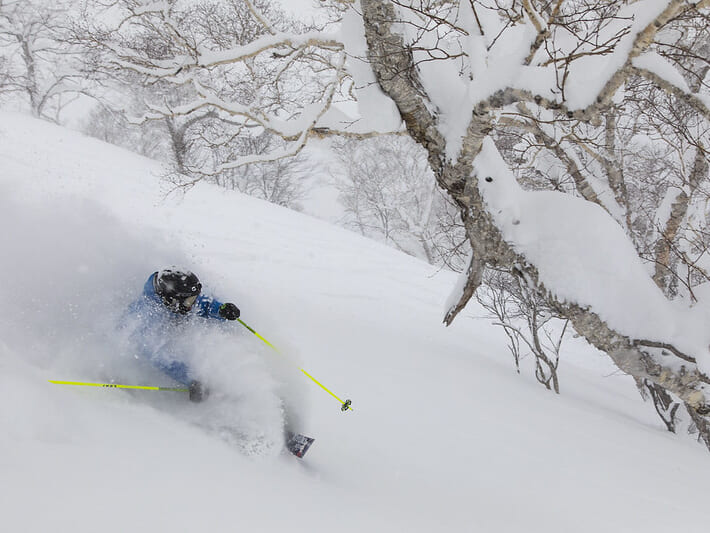
The best time to ski Japan is not just a snow question. It is a trade-off question. Are you chasing the driest powder possible, or do you want a more forgiving balance of conditions, crowd levels, and hotel pricing? Are you planning around school holidays? Do you care whether the resort still feels lively after dark? Japan rewards travelers who decide what matters most before they choose dates.
My Short Answer
If pure powder is the goal, late January through mid-February is the strongest window. If you want the best all-round trip for most skiers, March is underrated and often smarter. If you are locked into late December and New Year, go in with open eyes because you are usually paying peak-season prices for a busier trip that may not even deliver the very best snow of the season.
That is the honest framework. The rest of the answer is about which trade-off you are willing to make.
Month-by-Month Decision Table
| Timing | What it does well | What you give up | Who it suits |
|---|---|---|---|
| Late December to early January | Holiday energy, fresh early-winter atmosphere | Peak pricing and crowd pressure | Travelers locked to holiday calendars |
| Late January to mid-February | Best powder reliability | Cold, busy, and expensive in major bases | Snow-first skiers and riders |
| March | Strong snowpack with fewer crowds and more bluebird days | Less guaranteed blower powder every day | Most travelers |
| April into early May | Spring laps, quieter slopes, occasional deals | Need to be selective about resort and aspect | Families, learners, and mellow-trip travelers |
Why January and February Still Own the Powder Conversation
Niseko United's own season guidance is blunt about this: January and February are the heart of the powder season, with the most reliable classic midwinter conditions. That lines up with why travelers dream about Japan in the first place. This is the period when the cold storm cycles are doing what you came for, and when the deep-dry-snow fantasy is most likely to feel real rather than aspirational.
The problem is that a lot of travelers treat that truth like the whole answer. It is not. Peak snow quality is only one metric. If you are paying top rates, fighting peak demand, and staying in the busiest base villages, the trip can still feel more intense than enjoyable.
March Is the Best Overall Window for Most People
March is the month I would recommend to the broadest range of travelers. Niseko's official season breakdown describes March as a favorite for the combination of deep snowpack, thinner crowds, and more common bluebird weather. That is exactly why it works. You still get a real winter trip, but you reduce the feeling that every restaurant, shuttle, and lift maze is under pressure.
March is especially strong if your group includes intermediates, learners, or anyone who will value visibility and comfort as much as absolute storm volume. The people who insist that only peak-Japow weeks count are often optimizing for one type of skier, not for the whole trip.
December and New Year Are Usually the Most Overrated Timing
Yes, Japan can absolutely be skiable by late December. But that does not mean it is automatically the best-value or best-feeling trip. Holiday travel brings premium accommodation pricing and heavy demand, while the snowpack is still earlier in its winter arc than it will be a few weeks later. If you must travel then, fine. But do not pretend you are getting the strongest version of the product.
This is the classic winter-trip mistake: confusing "peak holiday period" with "peak trip quality." They are often the opposite.
Spring Is Better Than People Think, If You Pick the Right Base
Japan's spring window is not a throwaway season. Niseko United stays open into early May in parts of the domain, and official 2025/26 operations show some sectors running well into spring. That makes April viable for relaxed laps, families, and travelers who care more about space and sunshine than face-shot certainty.
Spring only works if you choose accordingly. You want the right resort, the right elevation profile, and the right expectations. If you need classic blower snow every day, this is not your season. If you want easier prices, more room, and a less pressured trip shape, it can be excellent.
The Booking Rule That Matters More Than People Admit
Japan's best dates also tend to be the dates that sell out first, especially for the most convenient accommodation in well-known bases. That means the best time to ski Japan is partly a booking-timing question too. If your ideal week is late January or February, waiting to book does not make you flexible. It usually just leaves you with worse inventory and a more annoying transfer plan.
My simple recommendation is this:
- Choose late January to mid-February for a snow-first trip.
- Choose March for the best all-round ski holiday.
- Choose April only if you consciously want spring skiing and lower pressure.
- Use late December only if your calendar forces it.
Plan your ski trip with clearer best time to ski Japan trade-offs
SearchSpot compares resorts, snow timing, and stay logistics so you can choose one winter trip with fewer regrets.
Plan your ski trip on SearchSpot
The Best Month Depends on What You Are Optimizing For
The point of a ski trip guide is not to keep every option alive. It is to cut the wrong ones early, line up the right base and snow window, and make the booking decision feel obvious enough that you stop doom-scrolling resort tabs.
Use SearchSpot to pressure-test your best time to ski Japan shortlist
SearchSpot compares resorts, snow timing, and stay logistics so you can choose one winter trip with fewer regrets.
Turn this research into a real trip plan
SearchSpot helps you compare stays, routes, neighborhoods, and decision tradeoffs in one planning flow so you can move from reading to booking with more confidence.