
Aurora Borealis Canada: Yellowknife vs Whitehorse vs Churchill for the Smartest First Trip
An aurora borealis Canada trip gets far easier when you stop chasing the whole map and choose the base that matches your risk tolerance and travel style.

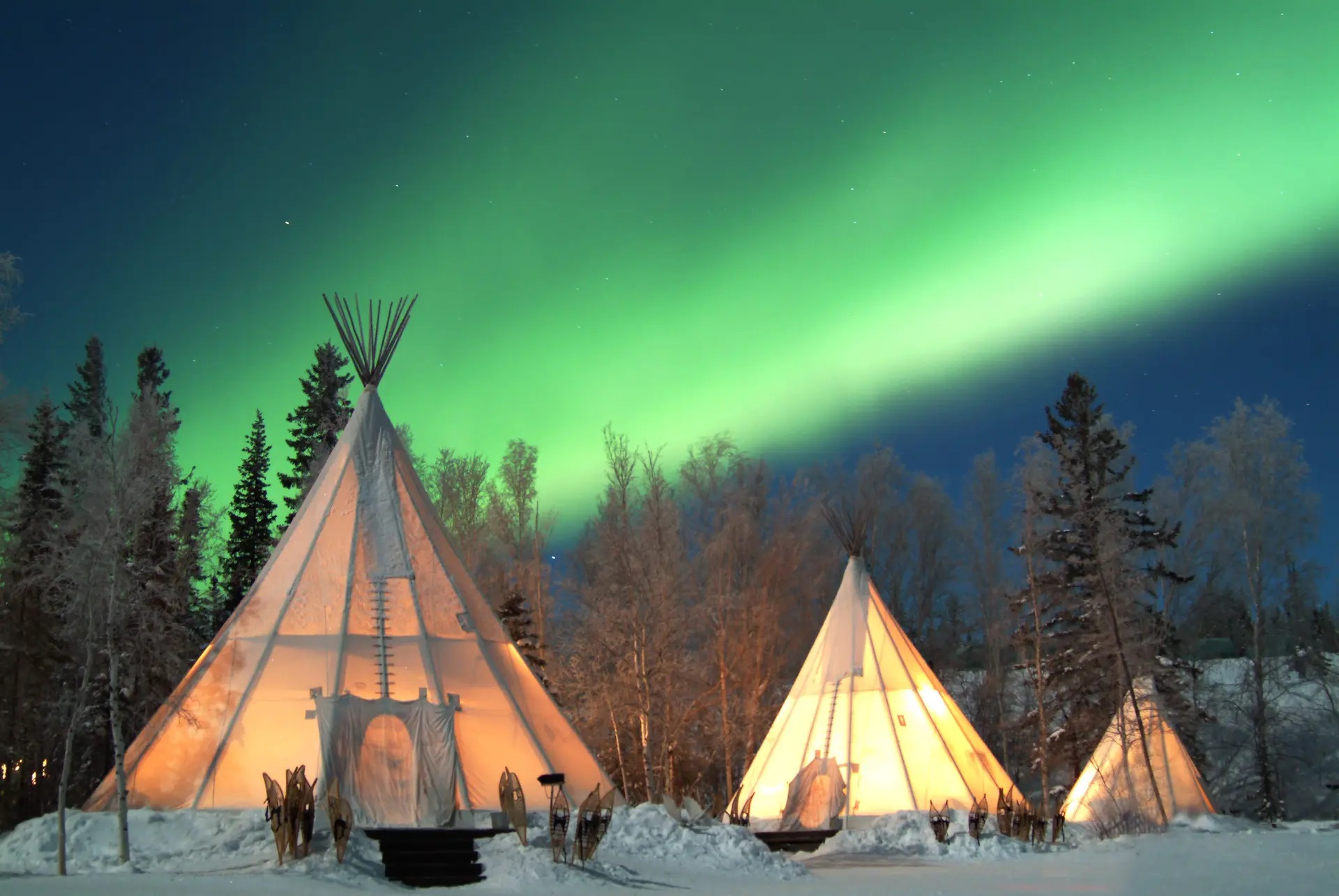
The hardest part of planning an aurora borealis Canada trip is not the aurora. It is choosing the base before you have enough information to feel sure. Canada gives you too many credible options, which sounds nice until you realize every good aurora destination asks for a different kind of traveler.
If you want the cleanest recommendation for a first trip, choose Yellowknife. Pick Whitehorse when you want the easiest broader trip shape. Pick Churchill when you want a wildlife-heavy, harder-to-reach expedition and you are willing to pay for that complexity.
The short answer
| Base | Best for | Main tradeoff |
|---|---|---|
| Yellowknife | Best first trip overall | It is popular for a reason, so the good setups are not secret bargains. |
| Whitehorse | Easiest mixed trip with simpler access | You get accessibility, but not the same aurora-specific reputation as Yellowknife. |
| Churchill | Wildlife plus aurora in one dramatic trip | More remote, more specialized, and less forgiving if the plan goes wrong. |
Why Yellowknife is still the smartest first answer
Destination Canada and Northwest Territories tourism keep landing in the same place: Yellowknife is where Canada's aurora logic feels strongest all at once. It is beneath the auroral oval, it has unusually clear skies, and it has enough tourism infrastructure to make the trip feel structured instead of improvised.
That combination is what makes it so good for first-timers. You are not only chasing the sky. You are buying a destination that already understands how to package the wait, the cold, the forecast watching, and the need for darkness. That is why I would still start here before spreading the search wider across the country.
Whitehorse and Churchill are good, but for different reasons
Whitehorse
Whitehorse is the base I would choose if I wanted an aurora trip that still felt easy to wrap around a broader Yukon vacation. Tourism Yukon positions it as an accessible gateway with strong northern lights potential, and that matters if you want flexibility, less trip friction, and a base that feels easier to navigate. The compromise is simple: Whitehorse is the easier overall trip, but not the strongest pure aurora answer.
Churchill
Churchill is the dramatic choice. It is compelling because it lets you combine aurora travel with wildlife identity in a way very few destinations can match. Destination Canada and Travel Manitoba both lean into that point. That is also why Churchill can be the wrong first choice for a traveler who mainly wants the cleanest aurora plan. The access is more specialized, the trip is more remote, and the whole structure is less forgiving.
If polar-bear country and expedition energy are part of the dream, Churchill is worth considering. If the goal is simply “give me the strongest first aurora trip,” Yellowknife is still cleaner.
Plan your aurora borealis Canada trip around the right base, not just the prettiest photos
SearchSpot compares Yellowknife, Whitehorse, and Churchill so your aurora borealis Canada plan matches your odds tolerance, budget, and trip style.
Plan your aurora borealis Canada trip on SearchSpot
The season that makes the most sense
The broad Canadian aurora season runs from late August into early April. That is the useful national frame. Inside that frame, your real choice is between easier temperatures and harder winter atmosphere.
Fall works when you want a friendlier experience and can still accept late nights. Deep winter works when you want the longest darkness and the most classic aurora-trip feel. Neither choice is wrong. The wrong choice is pretending season does not change how enjoyable the waiting hours will be.
How many nights you actually need
For an aurora borealis Canada trip, I would book four nights minimum. Five is better if you are traveling far or building the whole trip around the lights.
This is the same lesson everywhere in aurora travel: cloud cover and timing do not care how much your flight cost. A four-night trip gives you enough room for one weak night and one weather problem without emotionally collapsing the whole plan.
What travelers underestimate
1. “Best place in Canada” is really a trip-shape question
Yellowknife, Whitehorse, and Churchill are not interchangeable. They are solving different versions of the same desire.
2. Clear sky and darkness beat romantic geography
People fall in love with place names before they ask whether the trip will actually be easy to execute. That is backwards.
3. First-time success matters more than theoretical uniqueness
If this is your first aurora trip, you do not need the rarest story. You need the base that gives you the best shot at a clean win. That is why Yellowknife stays on top.
The decision
For most first-time travelers, the smartest aurora borealis Canada trip is Yellowknife for four to five nights, with Whitehorse as the easier mixed-trip alternative and Churchill as the specialist choice.
That recommendation is not about hype. It is about trip architecture. Yellowknife keeps winning because it gives first-timers the strongest combination of aurora logic, infrastructure, and clarity. Once you understand that, the rest of the planning stops feeling like guesswork.
Need help deciding whether Canada should be Yellowknife, Whitehorse, or Churchill?
SearchSpot cross-checks route effort, aurora odds, and trip style so your first Canada aurora plan feels solved, not just inspired.
Compare Canada aurora trip options on SearchSpot
Sources checked
- Destination Canada, Where to See the Northern Lights in Canada
- Destination Canada, Best Place to See the Northern Lights in Canada
- Canadian Space Agency, What Are the Northern Lights?
- Tourism Yukon, Northern Lights
- Travel Manitoba, Churchill Northern Lights
- Spectacular NWT, Big City Lights and the World's Best Aurora
Turn this research into a real trip plan
SearchSpot helps you compare stays, routes, neighborhoods, and decision tradeoffs in one planning flow so you can move from reading to booking with more confidence.