
Are Drink Packages Worth It on a Cruise? The Math That Actually Matters
Are drink packages worth it on a cruise depends less on how much you like cocktails and more on sea days, port days, cabin rules, and whether two people have to buy in together.


The fastest way to overspend on a cruise is to buy a drink package because it feels like the adult thing to do, then spend the whole trip proving to yourself that you needed it.
That is why are drink packages worth it on a cruise is such a good search. People are not really asking about drinks. They are asking whether they are about to pay for convenience, budgeting clarity, and sea-day freedom, or whether they are about to light a large pile of money on fire because the cruise line framed the package like a no-brainer.
My answer is simple: a drink package is worth it when your itinerary has enough onboard time, your line does not already include much of what you drink, and your cabin rules do not force one moderate drinker to subsidize another. It is usually not worth it on port-heavy sailings, on lines with meaningful drinks already bundled in, or when you mostly drink beer, wine with dinner, and the occasional coffee.
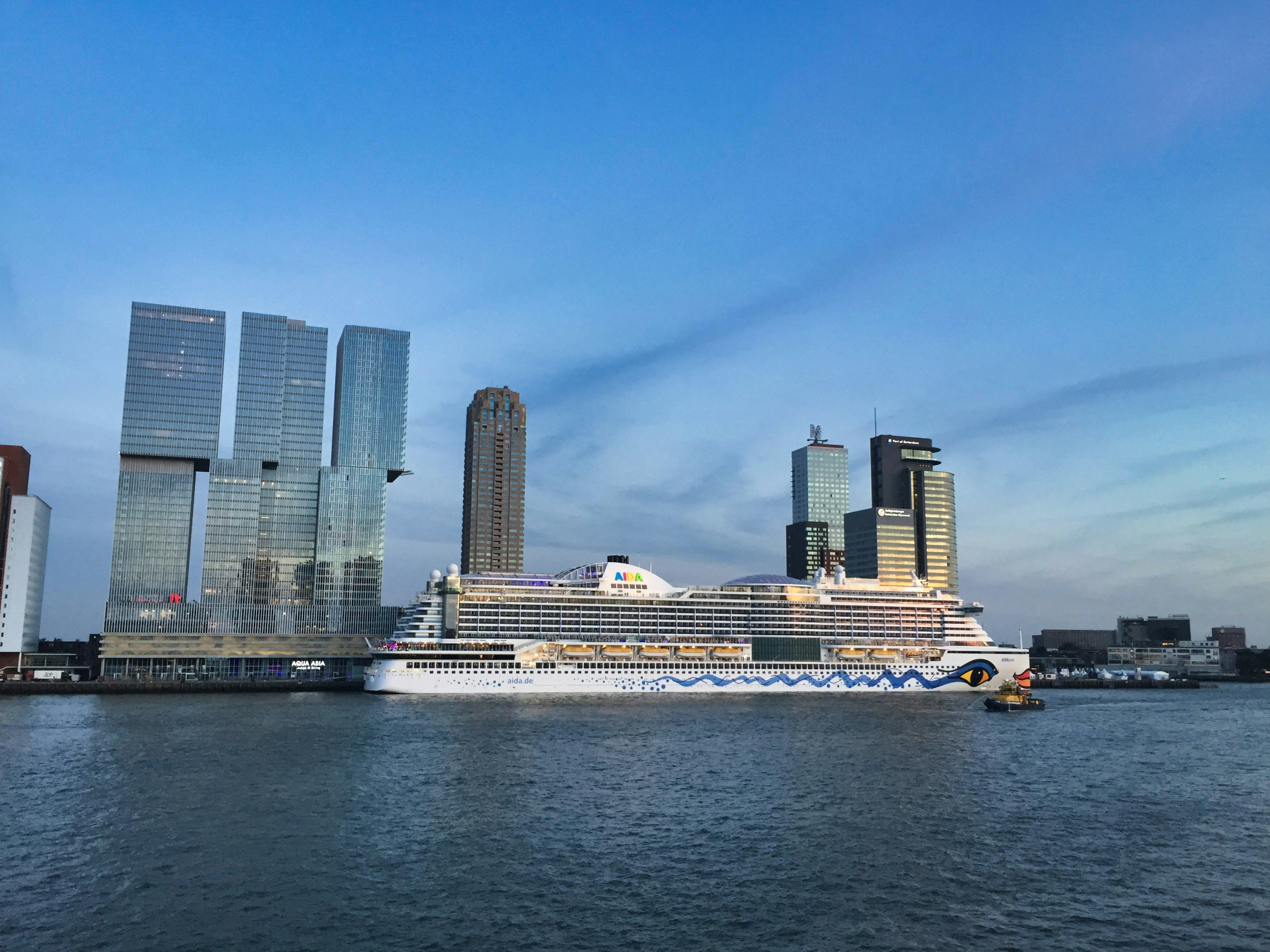
Are drink packages worth it on a cruise, the short answer
| If your cruise looks like this | Drink package call | Why |
|---|---|---|
| Several sea days, lots of cocktails, coffees, soda, bottled water | Usually yes | You have enough ship time to hit break-even. |
| Port-heavy Mediterranean or Alaska sailing | Usually no | You are off the ship too often to use it fully. |
| Luxury or semi-inclusive line | Often no | You may already have much of the value built in. |
| Two adults in one cabin with very different drinking habits | Be careful | Some lines require both adults to buy in. |
| You hate surprise spending more than you hate overpaying | Maybe yes | Budget certainty is a real benefit if you value it. |
The break-even mistake almost everyone makes
Most travelers do bad drink-package math because they compare the package cost to an idealized version of their vacation self. They imagine every pool cocktail, every specialty coffee, every bottled water, and every late-night glass of wine. Then they forget port days, early excursions, tired evenings, and the fact that they do not actually drink like that at home or on land vacations.
The smarter comparison is not “Could I get my money’s worth?” It is “On this itinerary, with this line’s rules, how many package-included drinks would I realistically use every day?”
That is a different question. It usually produces a less flattering answer.
If the package cost is high and your sailing has only one or two true sea days, you may need a surprisingly aggressive daily pattern to break even. If the line also adds gratuities on top of the package price, the threshold climbs again.
Sea days versus port days is the real dividing line
This is the biggest variable and the one cruise content often softens because it ruins the “just prepay and relax” narrative.
On sea days, the package has room to work. Coffee in the morning, a smoothie or soda by the pool, a couple of afternoon drinks, wine at dinner, bottled water, maybe another cocktail at a show. The package can start to look rational.
On port days, everything changes. You may get off early. You may drink ashore. You may come back tired and want one quiet drink instead of six. You may have excursion transfers that wipe out most of the day. If your itinerary is built around intense port use, the package has less time to earn its keep.
This is why travelers on Caribbean sea-day schedules can land in a different answer than travelers on Mediterranean or Alaska itineraries, even if both groups like to drink.
Plan your cruise with the hidden package math already pressure-tested
SearchSpot compares sea days, port time, and onboard spending trade-offs so you can decide whether a package saves money or just feels safer at checkout.
Run your cruise drink-package math on SearchSpot
When a drink package is actually worth paying for
1. Your line charges real money for almost everything you drink
Some cruise lines make the math easier because a la carte pricing is high and the package includes more than just alcohol. If you also use specialty coffee, soda, mocktails, premium water, or smoothies, the package can become more defensible.
2. You have multiple sea days
A package works best when the ship itself is part of the trip, not just the hotel between ports. More onboard time means more chances to use the package without forcing it.
3. You like budgeting certainty
This point gets underrated. Some travelers know they would rather pay a bit too much upfront than do mental math every time they order. That is not irrational. It just needs to be acknowledged as a convenience purchase, not framed as a universal value play.
4. You are a genuine all-day beverage user
If your day naturally includes coffee, sparkling water, soda, cocktails, and wine, the package may fit your actual pattern rather than a fantasy version of it.
When you should probably skip it
1. Your itinerary is port-heavy
If you are in port most days and taking long excursions, the package has fewer chances to work.
2. Your line already includes drinks in useful ways
Some lines include more than travelers realize, either in the fare or in bundled programs. If beer, wine, soda, or dining drinks are partly covered already, paying again can create duplicate value you never fully use.
3. You are in a shared-cabin rule trap
One of the biggest hidden costs is the two-adults-in-one-cabin rule. On several lines, if one adult in the cabin buys the alcohol package, the other adult may also need to buy a package or request an exception. That can turn a maybe into a clear no very fast.
4. You mostly want beer or wine with dinner
Packages reward volume and variety more than restraint. If your normal pattern is modest, paying as you go is often cleaner.
What people get wrong about the “worth it” question
- They ignore gratuities on top of the headline package price.
- They assume every day of the cruise offers equal drinking opportunity.
- They forget cabin rules can multiply the cost.
- They do not count already-included beverages.
- They buy for emotional comfort, then pretend it was purely a math decision.
That last one matters. A lot of package purchases are really about removing friction. There is nothing wrong with that. The mistake is calling it a savings decision when it is actually a convenience decision.
The recommendation I would make
If your cruise has several sea days, you use both alcoholic and nonalcoholic extras heavily, and your line’s rules do not distort the math, a drink package can be worth it.
If your cruise is port-heavy, if you only drink moderately, or if the second person in the cabin forces the total upward, I would usually skip it and spend the difference on shore excursions, a better cabin, or one or two premium onboard experiences that you will remember more clearly than “unlimited” drinks on day four.
The right answer is not whether you like drinks. It is whether the package fits the shape of your cruise.
Still torn between prepaid freedom and overpaying for dead port days?
Use SearchSpot to compare itinerary shape, package rules, and onboard spend before you buy the version of convenience that costs more than it helps.
Compare cruise drink package scenarios on SearchSpot
Sources checked
- The Points Guy, cruise drink package value guide
- Cruise Critic, when cruise drink packages are not worth it
- Princess Cruises package terms and beverage inclusions
- Royal Caribbean beverage package FAQ and planner terms
- Cruzely roundup of current line-by-line beverage package pricing structures
Turn this research into a real trip plan
SearchSpot helps you compare stays, routes, neighborhoods, and decision tradeoffs in one planning flow so you can move from reading to booking with more confidence.