
Alsace Wine Region: Colmar or Strasbourg, Why the Wine Route Rewards Slow Travel, and When to Go
The Alsace wine region works best when you slow down, pick the right base, and stop treating the Wine Route like a checklist.

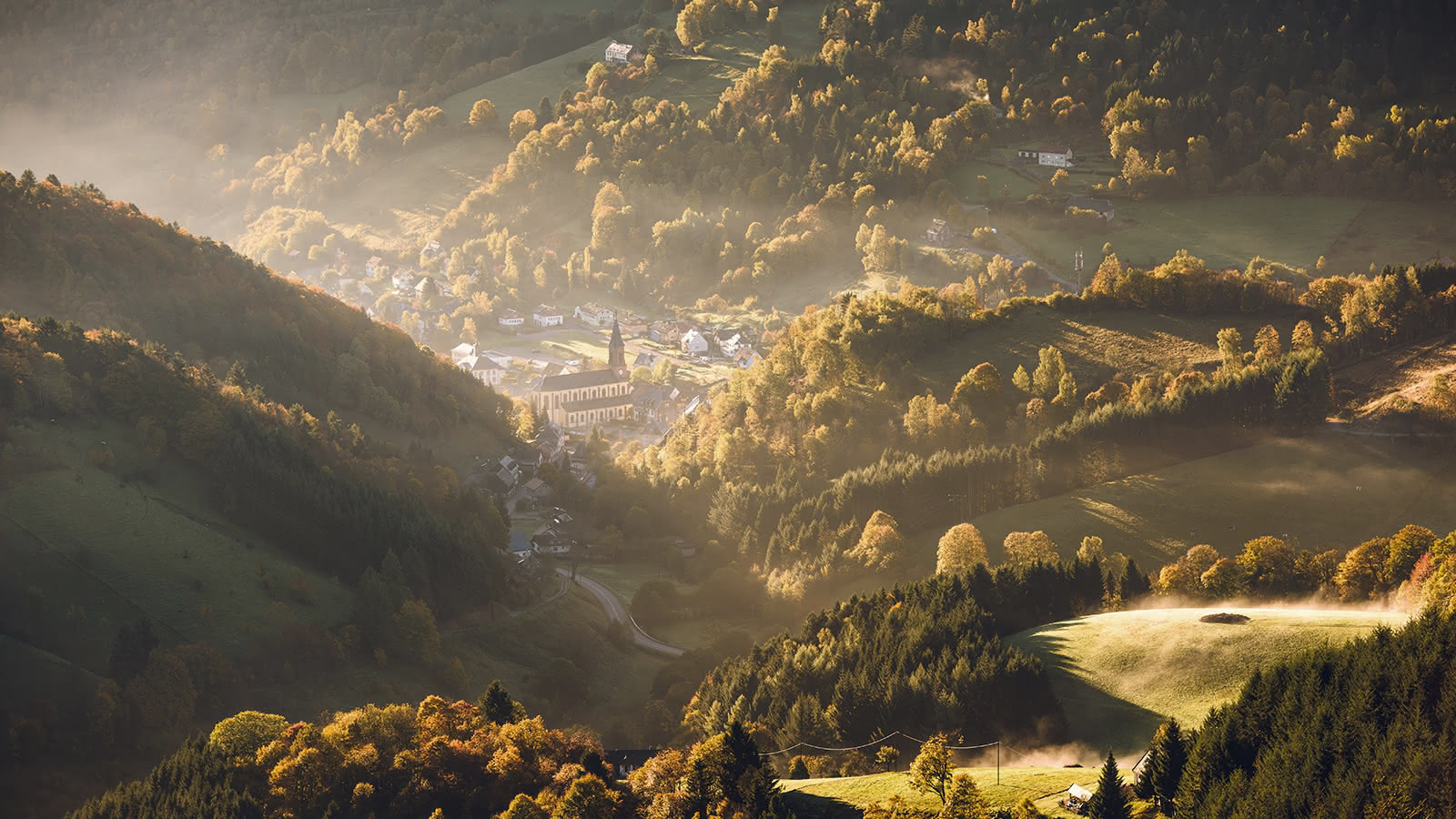
The Alsace wine region sells one of the prettiest fantasies in European wine travel, half-timbered villages, flower boxes, vineyard slopes, and glasses of Riesling that somehow feel sharper because the setting is so neat. The fantasy is real. The mistake is assuming that beauty alone will organize the trip for you. Alsace works best when you make three decisions early: Colmar or Strasbourg, whether you want a car or a deliberately limited train-based version, and whether your trip is about tasting or about alternating wine with villages, bakeries, and long lunches.
My clear recommendation is this: Colmar is the strongest wine-first base for most travelers, Strasbourg is better if you want a broader city break, and the Alsace Wine Route rewards slower pacing far more than aggressive box-ticking. If you try to “cover” Alsace, you flatten the part that makes it special. If you build two measured tasting days around one smart base, the region becomes one of the most satisfying wine trips in France.
The quick answer for the Alsace wine region trip
| Choice | Best for | Why it wins | Trade-off |
|---|---|---|---|
| Colmar | First wine-focused trip | Central feel, village access, strong restaurant-to-cellar balance | Smaller and more obviously touristic |
| Strasbourg | City break with wine attached | Bigger cultural base and easier urban energy | More commuting if vineyards are the main event |
| Village stay | Repeat visitors or slow romantics | Best atmosphere and evening calm | Harder logistics and fewer fallback options |
If the wine route is the reason you are coming, choose Colmar. If you want architecture, city life, and a little wine around the edges, choose Strasbourg. If you want the postcard version of Alsace and are comfortable with more planning, stay in a village and commit to going slow.
Plan your wine-region trip with smarter route logic
SearchSpot compares regions, tasting logistics, and stay strategy so your wine trip feels balanced instead of overstuffed.
Plan your Alsace wine trip on SearchSpot
Why Colmar usually beats Strasbourg for a wine-first trip
Strasbourg is a stronger city. That much is obvious. But the Alsace wine region is not a city trip with wineries nearby. It is a wine-route trip that happens to have two obvious urban anchors. Colmar wins because it reduces friction. You are closer to the villages most travelers picture when they imagine Alsace, and the trip feels more naturally arranged around tasting, lunch, scenery, and short moves rather than longer repositioning.
That does not mean Strasbourg is wrong. Strasbourg is better when your trip needs more than wine. It works for people who want museums, urban architecture, and a broader northeastern France break with one or two wine days. It is simply not the strongest answer if cellar doors and village-hopping are the core mission.
Do you need a car on the Alsace Wine Route?
Not absolutely, but the honest answer is that a car makes Alsace much better the moment you care about choosing your pace instead of inheriting it. The region is famous for a wine route rather than one single town, and that tells you almost everything you need to know. The pleasure is in the sequence of villages, viewpoints, and tastings, not in one big flagship stop. Rail can get you part of the way, and some travelers can make a no-car version work if they limit themselves to a few stops. But if you want freedom, late lunch, one offbeat producer, and a scenic detour without constant calculation, drive or book a driver.
Self-driving is reasonable here because tasting days do not need to be huge. The smarter model is two cellar visits, maybe three if one is short, plus lunch and village time. If your group wants a more serious drinking day, do not pretend the designated-driver compromise is romantic. Book transport and let everyone enjoy it properly.
The right pace: why Alsace is ruined by overstuffing
This is the region where travelers most often confuse compact with unlimited. The villages look close together, so people imagine five tastings, six villages, and a dinner reservation every day. That is how you turn Alsace into a blur of parking, purchases, and rushed photos. The region is better when you allow air into the day. One village can deserve a real walk. One winery can deserve a proper conversation. One lunch can be the centerpiece instead of the gap between appointments.
Alsace is particularly rewarding for travelers who actually enjoy alternating sensory inputs. Dry Riesling in the late morning, tarte flambée at lunch, a slow walk through a village in the afternoon, then Crémant or Pinot Gris before dinner is a much better day than three cellar doors back-to-back followed by a panicked drive to the hotel.
When to go to the Alsace wine region
Late spring and early autumn are the cleanest answers. Spring gives you freshness and room. Early autumn gives you more energy and the beginning of harvest atmosphere without always reaching full crush-season intensity. Summer can be lovely, but it also invites a more tourist-heavy rhythm, especially in the best-known villages. Winter can be magical if you are explicitly going for Christmas-market atmosphere and understand that your trip will lean as much on food and village charm as on classic tasting patterns.
If you are choosing purely for a first wine trip, late spring is hard to beat. If you want more buzz and a stronger sense of the vineyard year, early autumn is smarter. Harvest only wins if you actually want that momentum.
How many nights do you need?
Two nights is the minimum that feels satisfying. Three nights is the sweet spot. With three, you can give yourself one southern-focus day, one northern-focus day, and still leave room for a slow meal or one non-wine stop. The people who leave happiest are not the ones who saw the most villages. They are the ones who let two or three places become distinct memories.
A smarter structure for the Alsace wine region
Day one
Arrive, settle, and keep the first day soft. Pick one nearby village and one tasting, then anchor the evening around dinner.
Day two
Make this the main wine-route day. Drive a focused section, do two meaningful tastings, and build in one scenic village stop with real time to walk.
Day three
Use the final day to balance the trip. That may mean one more cellar, or it may mean admitting you have already had enough wine and choosing food, views, and a relaxed lunch instead.
Mistakes to avoid
- Using Strasbourg as a base when wine is your main priority.
- Treating the Wine Route as a checklist.
- Planning too many tastings in one day because the map looks compact.
- Forgetting that Alsace is as much about village rhythm and food as about cellar doors.
- Choosing harvest or Christmas-market season without actually wanting the crowds and energy that come with them.
The best final call
Alsace is the French wine trip for travelers who want pleasure to come from the whole day, not just the glass. Choose Colmar if wine is the point. Choose Strasbourg if you want a broader city break. Add a car if freedom matters. Plan fewer stops than you think you need. That is how Alsace stays elegant.
If what you want is a region that lets you drink seriously without feeling severe, the Alsace wine region is one of the smartest calls in Europe.
Plan your wine-region trip with smarter route logic
SearchSpot compares regions, tasting logistics, and stay strategy so your wine trip feels balanced instead of overstuffed.
Turn this research into a real trip plan
SearchSpot helps you compare stays, routes, neighborhoods, and decision tradeoffs in one planning flow so you can move from reading to booking with more confidence.