
Ajanta Ellora Caves: How to Visit Both Without Blunting the Experience
Planning Ajanta Ellora Caves? Compare the two sites, pick the right base, and structure your visit without rushing the best caves.

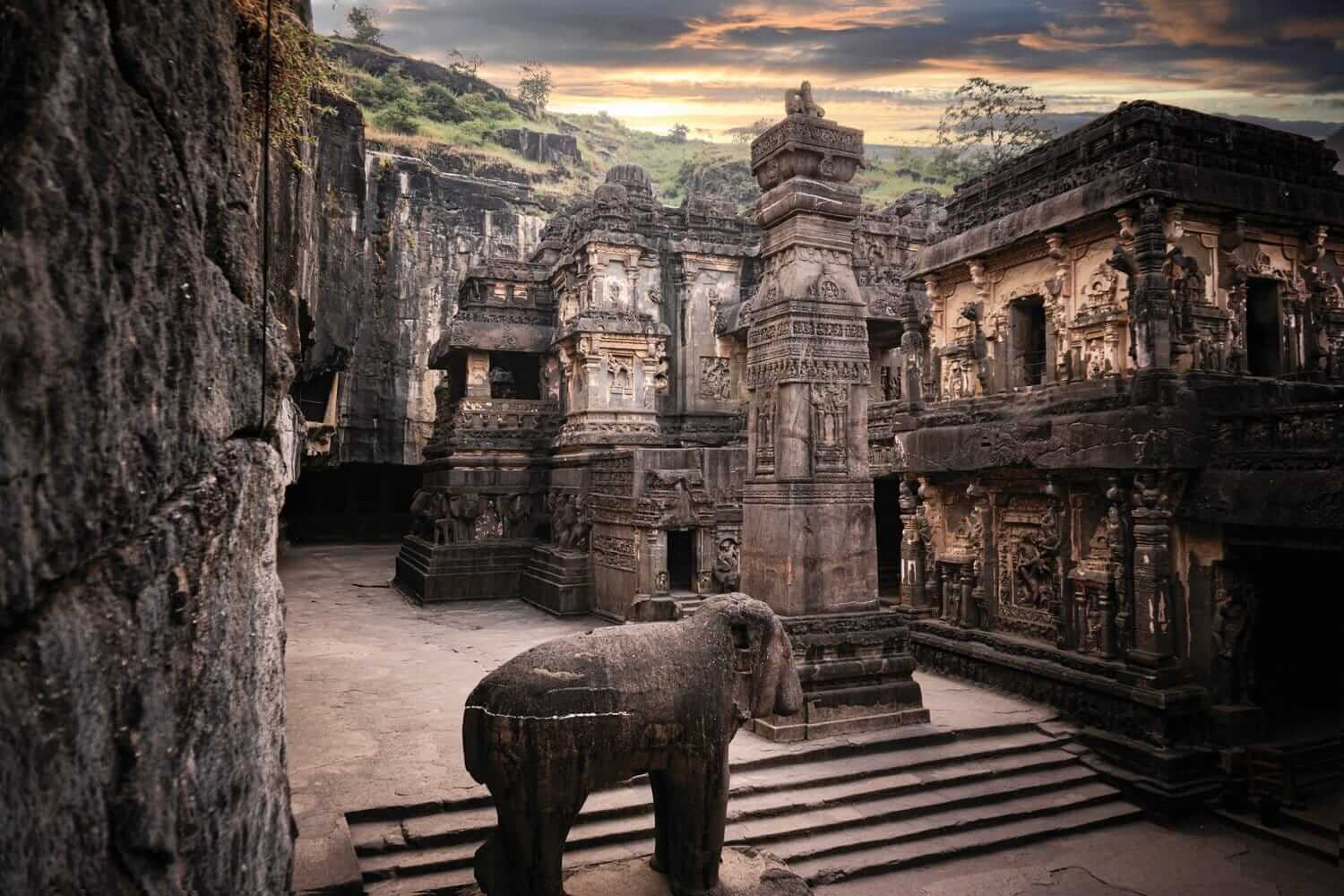
Ajanta Ellora Caves: How to Visit Both Without Blunting the Experience
Ajanta and Ellora get bundled together so often that travelers start treating them like one site with two entrances. That is the first mistake. These are two different UNESCO experiences, with different strengths, different pacing needs, and different emotional payoff. The question serious travelers should ask is not whether they can technically “cover both.” It is how to visit both without flattening the stronger parts of each one.
The decisive answer is simple: base yourself in Chhatrapati Sambhajinagar, give Ellora one day and Ajanta another, and stop pretending a same-day blitz is efficient. It is not. It only looks efficient on paper because both sites are associated with the same city. In practice, Ajanta needs a full-day slot, Ellora deserves an unhurried day of its own, and the best version of the trip leaves you with enough margin to absorb what you saw instead of racing back to the car.
If you are a UNESCO collector, this is one of those cases where structure matters more than raw stamina. The caves are not interchangeable, and the route should respect that from the beginning.
The short decision
Stay in Chhatrapati Sambhajinagar for three nights. Do Ellora first if you are just arriving and want the lower-friction day. Do Ajanta on a dedicated full day because it is farther and mentally better when you are not watching the clock. Use a third day for rest, Daulatabad, Bibi Ka Maqbara, or simply buffer. If you only have one day total, choose Ellora unless Buddhist painting history is your single overriding priority.
| Site | Best for | Why it matters |
|---|---|---|
| Ellora | Architectural force and variety | The cave sequence, Kailasa Temple, and multi-faith range make it the stronger single-day payoff for most first-time visitors. |
| Ajanta | Painting, setting, and atmosphere | The horseshoe ravine and mural tradition make it the deeper art-historical stop, but only if you give it time. |
| City base | Chhatrapati Sambhajinagar | It keeps both days rational and prevents you from turning the cave visits into transport endurance tests. |
Plan your UNESCO trip with fewer detours and better choices
SearchSpot compares site effort, route logic, and stay strategy so you can build a UNESCO-focused trip with real momentum.
Plan your Ajanta and Ellora route on SearchSpot
Why one day for both is the wrong move
Because the route punishes compression. Maharashtra Tourism positions Ajanta as the farther cave day from the city, while Ellora is much easier to reach and naturally fits a shorter access pattern. That alone should tell you how to structure the trip. Ajanta needs the early departure and the longer attention span. Ellora gives you more flexibility, but it is too rich to be reduced to “the quick one.”
There is also a mental difference between the sites. Ellora overwhelms by scale and excavation ambition. Ajanta works more quietly, through setting, paintings, and the feeling of moving cave by cave through something that takes slower looking. If you rush from one to the other, you end up appreciating neither properly.
Collectors often make this worse by adding too much commentary-free transit. They spend hours in the vehicle, arrive hot and tired, then force themselves through “the must-see caves” instead of visiting with any sequence that makes sense.
The right order
Day one: Ellora. This is the correct opening day because Ellora is easier to slot into an arrival schedule and easier to understand even if you are still finding your feet. The cave range is broad, Kailasa Temple gives you the obvious anchor, and the site carries its meaning well even when you are still warming up to the trip.
Day two: Ajanta. Make this the full commitment day. Start early, accept that it takes longer, and plan the day around the site rather than around what you hope to squeeze in afterward. If Ajanta is reduced to the second half of a hyper-efficient circuit, the best part of the experience disappears.
Day three: buffer or context. This is optional but smart. After two heavy UNESCO days, the third day is where you decide whether you want a nearby fort or city monument, or whether the trip is already complete. Serious travelers should respect the value of finishing well.
Plan your UNESCO trip with fewer detours and better choices
SearchSpot compares site effort, route logic, and stay strategy so you can build a UNESCO-focused trip with real momentum.
Plan your Ajanta and Ellora route on SearchSpot
What each site is actually best at
Ellora
Ellora is the better first recommendation for travelers who want the strongest single-site impact. It gives you Buddhist, Hindu, and Jain caves in one long sequence, and the architectural drama of Kailasa Temple alone is enough to justify the stop. The site reads clearly even if your art history is limited, which makes it an easier first win.
It is also the better choice if your schedule has any uncertainty. If weather, road timing, or arrival fatigue threaten one of your cave days, protect Ellora first.
Ajanta
Ajanta is the deeper art-historical experience. The setting matters. The ravine matters. The surviving paintings matter. This is the site that rewards patience, slower looking, and enough quiet to let the place separate itself from every other “rock-cut caves” headline you have read.
That is why Ajanta suffers more from bad route planning. When rushed, it can feel like work. When given its own day, it feels like the kind of UNESCO stop collectors remember for years.
How many days you actually need
Two cave days and three nights in the city is the correct structure for most travelers. One cave day can work only if you choose between them. More than that is for travelers who want to fold in additional regional context, not because the caves themselves need endless repetition.
If your India itinerary is already dense, protect the cave pair by cutting somewhere else. This is not where you should compromise if the trip is meant to be heritage-first.
Timing strategy that helps
The cooler season is the safer bet, and Maharashtra Tourism highlights the late-year to early-year window for cave travel for good reason. Heat changes how long you can stay attentive on site, especially when walking, climbing, and waiting are involved.
Ajanta needs the earlier, fresher day. Ellora gives you a bit more flexibility, but not enough to justify laziness. Both sites are better when you front-load the best hours and avoid pretending that midday energy is the same as morning energy.
If you are traveling on a tight weekly schedule, also verify closure patterns before arrival rather than trusting memory. The broad rule is easy: do not let the cave days depend on optimistic assumptions.
Mistakes that waste the trip
- Trying to do Ajanta and Ellora in one day. This is the biggest error and the easiest one to avoid.
- Choosing the wrong cave day for the wrong energy level. Ajanta needs the fuller commitment.
- Not staying in Chhatrapati Sambhajinagar. A weak base turns both UNESCO days into transport-heavy chores.
- Rushing Ajanta because Ellora felt easier. They are different experiences and deserve different pacing.
- Thinking “I saw Kailasa” means Ellora is finished. The site needs more than one headline photo stop.
Who should prioritize which site if time is tight
Choose Ellora if you want the strongest overall UNESCO punch with the least route friction. Choose Ajanta if painting history, Buddhist art, and atmosphere matter more to you than brute architectural drama. Choose both only if you can give them what they need, which means two separate site days.
The final call
Ajanta and Ellora are worth doing together, but only when the route respects that they are not the same experience. Base yourself well, separate the days, let Ellora deliver the force and Ajanta deliver the depth, and stop chasing the false efficiency of a same-day cave marathon.
That is how this pair becomes one of the strongest UNESCO plays in India instead of one of the most commonly rushed.
Plan your UNESCO trip with fewer detours and better choices
SearchSpot compares site effort, route logic, and stay strategy so you can build a UNESCO-focused trip with real momentum.
Plan your Ajanta and Ellora route on SearchSpot
Turn this research into a real trip plan
SearchSpot helps you compare stays, routes, neighborhoods, and decision tradeoffs in one planning flow so you can move from reading to booking with more confidence.