
Abu Simbel Tour: Road or Flight, When the Overnight Wins, and How to Stop Sacrificing Half Your Egypt Trip
This Abu Simbel Tour guide shows when the road trip is fine, when the flight pays off, and why the overnight stay is the smartest option more often than people expect.


Abu Simbel is one of those ruins trips where the monument is extraordinary and the logistics are the trap. People assume there must be one standard way to do it from Aswan, then find themselves in a punishing pre-dawn departure, a fast site loop, and a return that eats the rest of the day.
My recommendation is clear: if Abu Simbel is one of the emotional anchors of your Egypt trip, the smartest plan is either to fly or to overnight near the site. The classic road day trip from Aswan is still workable, but it is best treated as the acceptable compromise, not the gold standard.
That answer surprises travelers because the distance alone does not look terrible on paper. In practice, the issue is not only hours in the vehicle. It is the quality of the hours you give to one of the most atmospheric temple sites in Egypt.
The short answer
| If your priority is... | Best move | Why |
|---|---|---|
| Least travel fatigue | Fly from Aswan | You protect energy and keep the site visit feeling deliberate. |
| Best overall ruins experience | Overnight near Abu Simbel | You cut the brutal day-trip rhythm and let the temple setting breathe. |
| Lowest-cost workable option | Use the road trip from Aswan | It still works, but it asks more of your body and schedule. |
| Seeing the solar alignment event | Build the trip specifically around the February or October dates | This is worth planning intentionally, not improvising last minute. |
Road or flight, what actually changes
The road trip is popular because it looks simple. Leave Aswan very early, drive south, visit the temples, drive back. If budget is tight and Abu Simbel is a must, that is still a fair plan. The problem is that it compresses the emotional arc of the site into the middle of a long transport sandwich.
Flying is more expensive, but it does something very valuable: it restores proportion. Instead of feeling like you spent the day commuting to a short visit, it lets Abu Simbel feel like the reason for the day. That matters more than people expect, especially late in an Egypt itinerary when the cumulative fatigue is already real.
The overnight option is even better when the temples are a trip highlight. It strips away the panic. You do not have to rush every photo, every chamber, or the approach to the lake. You can arrive, sleep, and visit with a much better mental frame.
Why the overnight wins more often than people think
Travelers talk themselves out of overnighting because it feels inefficient. In reality, it is often the more elegant route if Abu Simbel matters. You spend one night to recover a much better site experience and a much calmer travel day.
This is especially true if your Egypt route already includes Cairo, Luxor, and Aswan. By that stage, another ultra-early departure can flatten the very day you were trying to make memorable. The overnight lets Abu Simbel stand apart instead of becoming one more line item in a busy sequence.
It is also the better play around the solar alignment dates in February and October, when the entire point is to center the temples themselves, not to squeeze them between transfers.
Plan your ruins trip with better timing and fewer mistakes
SearchSpot compares permits, routes, and stay strategy so your ruins trip works in real life, not just in a highlight reel.
Plan your Abu Simbel route on SearchSpot
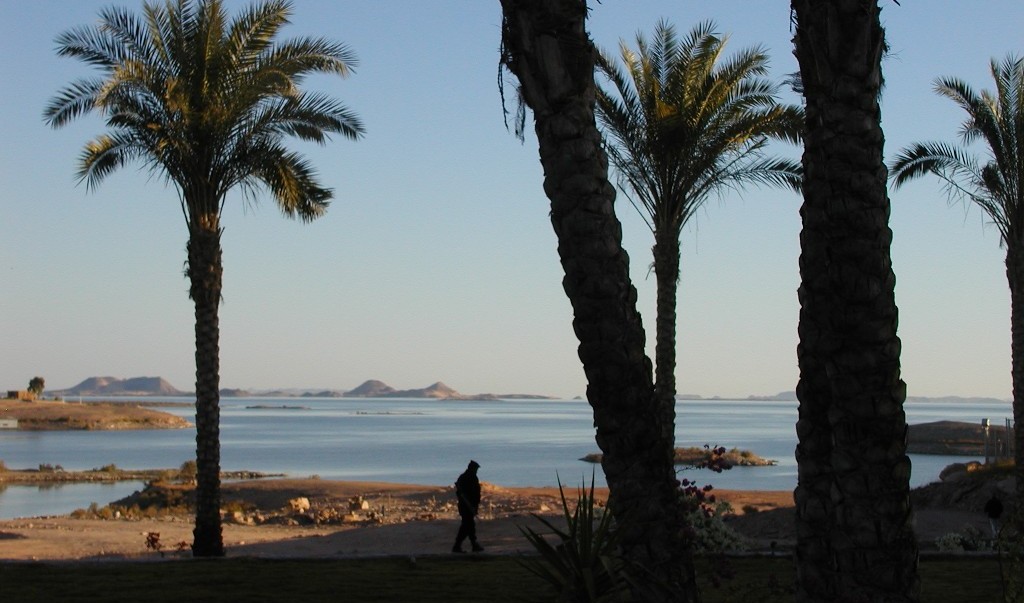
How Abu Simbel fits into an Egypt itinerary
If you are coming from Aswan, decide whether Abu Simbel is a priority day or a checkbox day. Checkbox day means road trip, tight schedule, move on. Priority day means flight or overnight, and probably keeping the rest of the itinerary lighter around it.
Do not pair Abu Simbel with a packed Aswan afternoon unless you are comfortable feeling depleted. The smarter sequencing is Abu Simbel as the headline of the day, then a quiet evening. Give Philae, the Nubian Museum, or felucca time their own space elsewhere in the itinerary.
Mistakes that make the trip feel harder than it should
- Assuming the cheapest transport option is also the best value for the actual experience.
- Treating Abu Simbel like a quick side quest instead of deciding whether it is a priority site.
- Adding a heavy Aswan schedule on the same day as the return drive or flight.
- Ignoring the overnight option because it sounds less efficient on paper.
The bottom line
The best Abu Simbel tour is the one that matches how much the site matters to you. If it is a core reason you came to Egypt, pay for a plan that lets the temples land properly. That usually means a flight or an overnight. If it is a worthwhile extra, the road trip is fine, as long as you understand the trade.
This is one of those decisions where logistics shape memory. Build the route around the experience you want, not the transfer option that looked easiest in a booking widget.
Plan your ruins trip with better timing and fewer mistakes
SearchSpot compares permits, routes, and stay strategy so your ruins trip works in real life, not just in a highlight reel.
Turn this research into a real trip plan
SearchSpot helps you compare stays, routes, neighborhoods, and decision tradeoffs in one planning flow so you can move from reading to booking with more confidence.